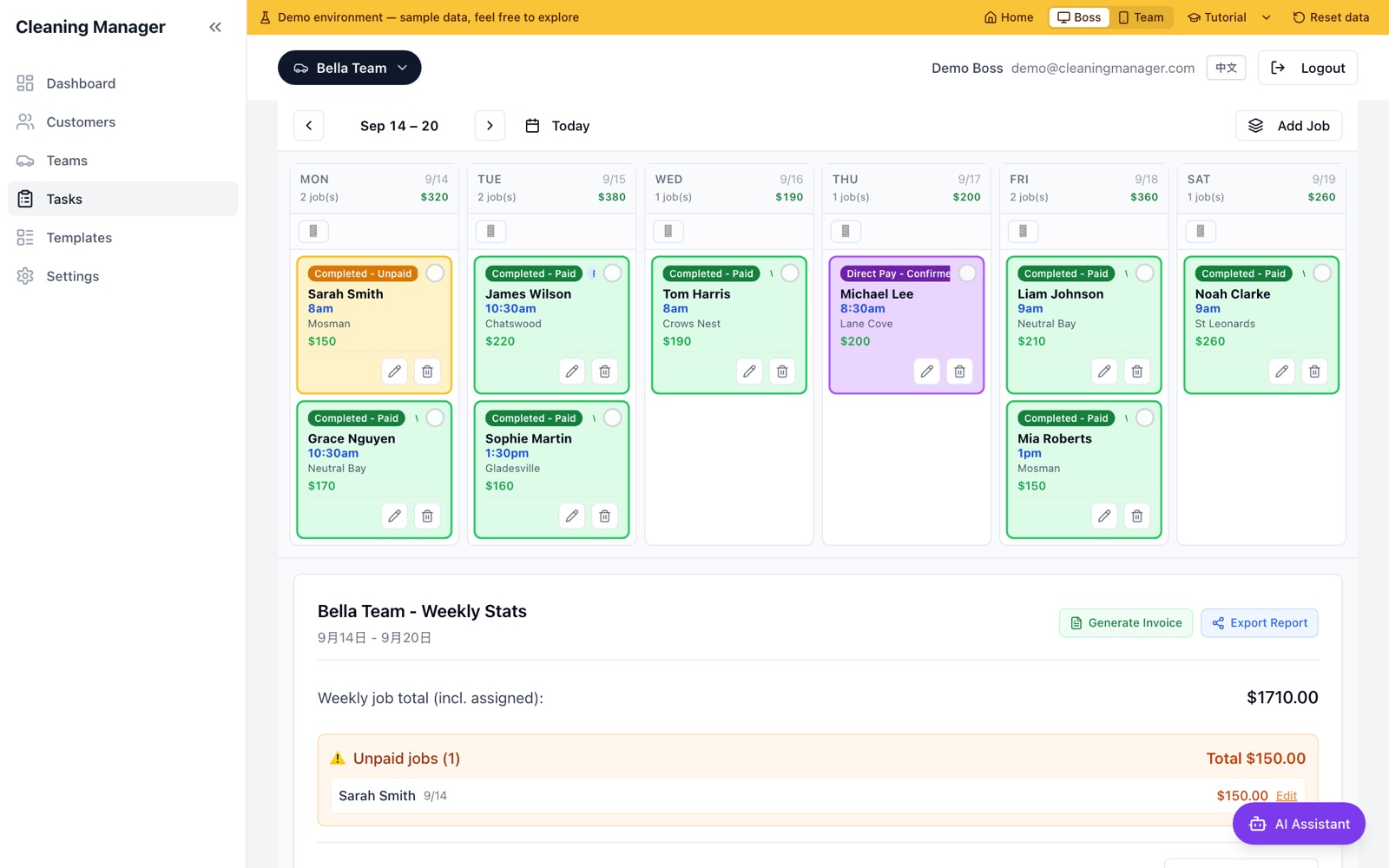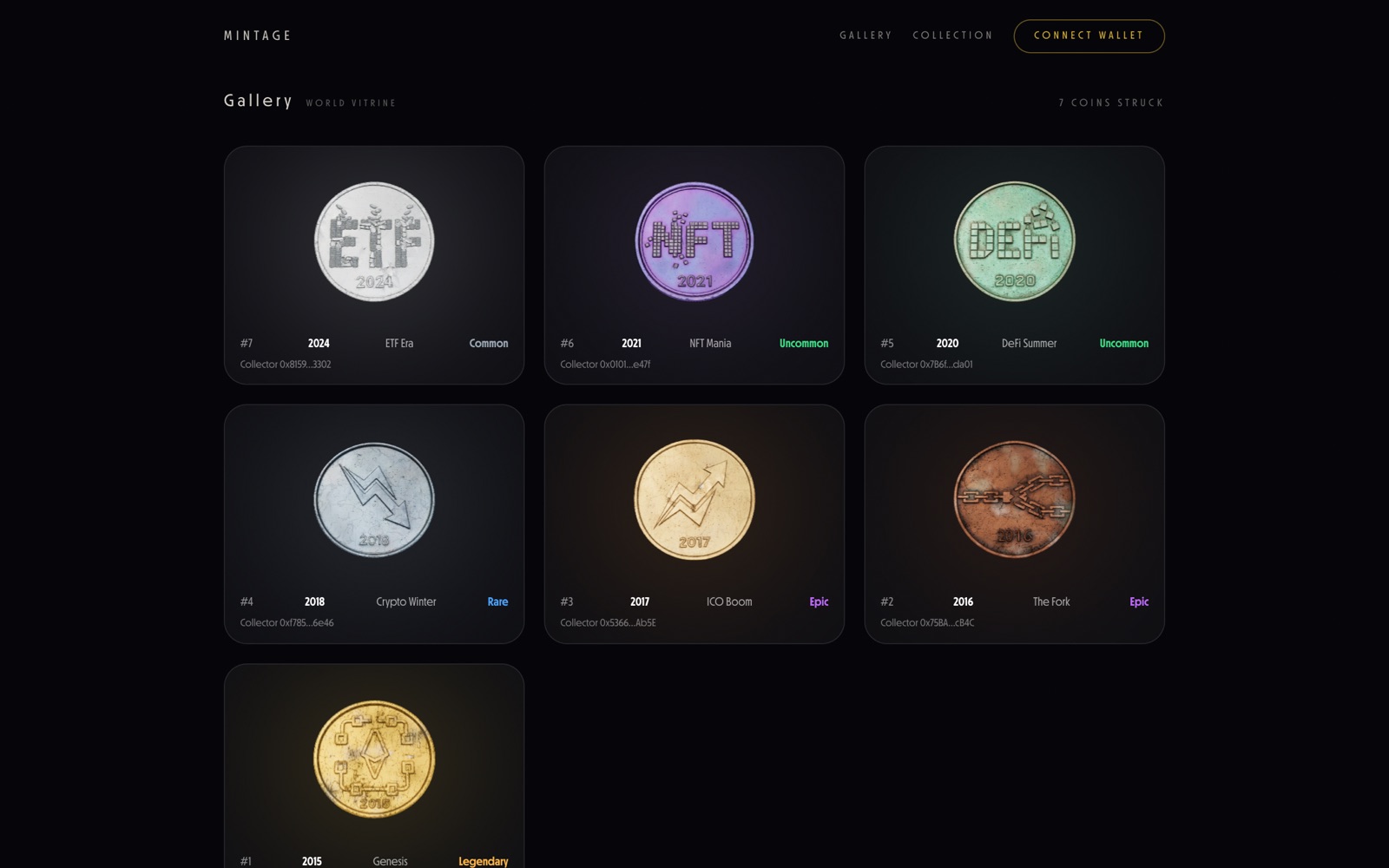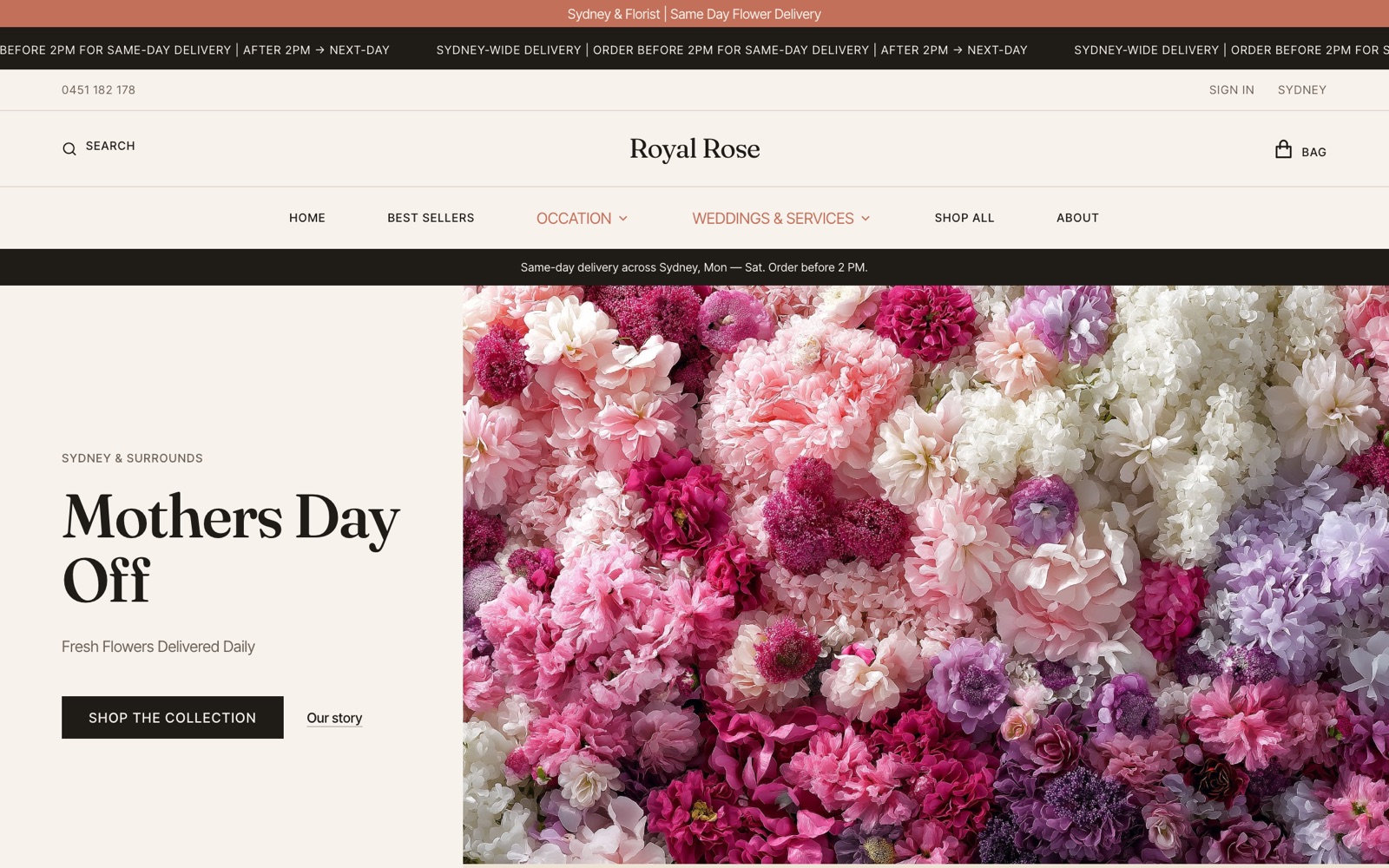

Enquiries come in from different places, and follow-up gets missed.
Websites And Lightweight Systems
Less manual work
for growing businesses.
I build clearer websites and lightweight business systems for small teams that are tired of chasing leads, repeating admin, and holding the whole process together by memory.
If you know the business feels messier than it should, the planner helps turn that into a simple starting scope.
What Usually Starts To Hurt
- Leads and requests stop getting lost between channels.
- Quotes, bookings, and approvals get a clearer workflow.
- Repeated admin starts shrinking instead of growing with the business.
- You work directly with the person shaping and building the solution.
Best Fit
Growing small businesses that are feeling the cost of repeated admin.
Start With
One useful workflow, one clearer website path, or one messy bottleneck.
Built For Growing Businesses
Clearer operations, not more software for the sake of it.
The goal is to remove repeated admin, tighten follow-up, and make everyday work easier to manage without turning the project into something oversized.
Common Bottlenecks
When the business grows, small process gaps start costing real time.
If work is happening across messages, email, notes, and spreadsheets, the next useful step is usually more clarity, not more complexity.
Quotes, bookings, or approvals still bounce around manually.
Client details live across chat threads, inboxes, and spreadsheets.
The team repeats the same admin steps every single week.
Too much coordination depends on the owner remembering everything.
The website exists, but it does not really reduce the work behind it.
What I Build
Three practical ways to make the business run more smoothly.
Some clients need a clearer website. Some need an internal workflow. Many need both connected.
Practical Direction
Lead-generating websites
Clarify the offer, capture the right enquiries, and stop losing context before the real conversation starts.
- Clear service positioning
- Structured enquiry capture
- Content that answers common questions
Practical Direction
Lightweight business systems
Replace scattered manual steps with one simpler place to manage quotes, bookings, approvals, records, or client progress.
- Workflow clarity
- Fewer manual handoffs
- One cleaner operating view
Practical Direction
Websites and workflows working together
Connect the front-end and the process behind it so new business does not create extra admin every time it arrives.
- Website and operations alignment
- Cleaner client handoff
- A simpler path from enquiry to action
What Gets Simpler
You are not paying for more software. You are paying for less friction.
The real win is fewer repeated steps, clearer handoffs, and a business that feels easier to run.
Outcome
Fewer Manual Steps
Cut down the repetitive admin, copy-paste work, and double handling that keeps eating time.
Outcome
Clearer Follow-up
Give leads, requests, and internal actions a more reliable path so fewer things slip through.
Outcome
Better Team Handoffs
Make it easier for work to move between people without depending on memory or scattered notes.
Outcome
One Cleaner Operating View
Bring key information into a simpler workflow so the business feels easier to manage day to day.
Anonymous Examples
A more honest look at how projects like this usually begin.
These are representative project shapes based on the kinds of business problems this site is built to solve. The goal is to show where the work usually starts, what phase one often includes, and what tends to feel better first.
Representative Pattern 01
Service businesses where quoting still starts from scratch
Enquiries are already coming in, but someone still rebuilds the same context from calls, forms, messages, and memory before a quote can move.
Where It Usually Starts
The website captures interest, but the handoff into quoting still depends on manual patching.
Phase One Often Includes
- A clearer enquiry path on the website
- A simple intake structure for the team
- A cleaner handoff from enquiry to quoting or follow-up
Usually Feels Better First
- Less repeated asking
- Faster quoting
- Better lead visibility
Best Fit When
Best fit when demand exists, but follow-up feels improvised and expensive in time.
Representative Pattern 02
Appointment-led businesses buried in booking admin
Booking already works, but confirmations, reschedules, notes, and client context still create too much message traffic.
Where It Usually Starts
The calendar runs, but every change creates more checking, more messages, and more room for missed context.
Phase One Often Includes
- A simpler booking or intake path
- Cleaner client context before appointments
- A more reliable process for changes, reminders, or next steps
Usually Feels Better First
- Less back-and-forth
- Cleaner client records
- A calmer day-to-day flow
Best Fit When
Best fit when operations feel heavier than they should for the size of the business.
Representative Pattern 03
Growing teams repeating approvals and status checks every week
Work is moving, but there is no shared operating view behind it, so the team keeps rechecking status and chasing the same answers.
Where It Usually Starts
Chats and spreadsheets technically work, but nobody can see the full picture without asking around again.
Phase One Often Includes
- One clearer internal workflow for the bottleneck that hurts most
- Shared visibility across the people involved
- A lighter structure for approvals, records, or handoffs
Usually Feels Better First
- Fewer repeated checks
- Better internal handoffs
- More shared visibility
Best Fit When
Best fit when the team is outgrowing informal process, but does not need a huge system to start improving.
Start With The Pattern, Not A Perfect Spec
If one of these situations feels familiar, that is enough to begin.
You do not need polished requirements to start. The planner is there to turn one messy situation into a sensible first move.
Process
Start with the bottleneck, then build the simplest useful fix.
Good small-business systems do not start with a giant spec. They start with the part that wastes the most time.
01
Find the bottleneck
Start with the part of the business that is wasting the most time or creating the most confusion.
02
Scope the simplest useful version
Define the smallest version that creates real operational value instead of planning something oversized.
03
Build and launch
Put the clearer website, workflow, or system in place so the business can start using it for real work.
04
Improve in phases
Once the core is working, refine or extend it in stages without forcing the whole project to become heavier than it needs to be.
Working Together
A good fit if you want practical help, not agency theatre.
This approach is built for small businesses that want a clearer path to something useful and do not want the project to become heavier than it needs to be.
Best Fit
Usually a strong fit
- Growing small businesses that are feeling the cost of repeated admin.
- Teams that want a direct partner instead of agency layers and handoffs.
- Businesses that want to start with one useful improvement, not a giant platform.
Not The Best Fit
Usually not the right project
- A pure portfolio-style redesign with no real business process problem behind it.
- A huge enterprise-style system planned all at once from day one.
- Projects where nobody wants to spend time clarifying the real bottleneck.
How Projects Start
Direct, phased, and shaped around the real bottleneck
Most projects start with a clear problem area, not a giant feature list. We work out the smallest useful version first, then expand only where it creates real value.
Reply target: usually within 24 hours.
Communication: direct with the person shipping the work.
Scope: can start with one workflow, one section, or one clear fix.
Common Questions
Not sure whether you need a website, a system, or both?
That is normal. The planner is there to help turn the messy part into a practical starting scope.
Can we start small?
Yes. In many cases, the best first move is one clear workflow or one part of the website that removes immediate friction.
What if you already have a website?
That is fine. Some projects start by improving the workflow behind an existing site instead of replacing everything.
Do I need a full technical brief first?
No. It is enough to describe what keeps repeating, what gets missed, or what feels messy. The rest can be shaped together.
Project Planner
Not sure whether you need a website, a system, or both?
That is exactly what the planner is for. It turns messy requirements into a more practical starting scope.
Step 01
Tell me where work feels messy
Start with the bottleneck, even if you do not know the right solution yet.
Step 02
Show what keeps repeating
Use simple prompts instead of writing a long technical spec from scratch.
Step 03
Get a clearer starting direction
Leave with a practical next step, whether that is a website, a workflow, or both.
Before You Reach Out
- You do not need the perfect brief before reaching out.
- It is okay to start with one messy workflow instead of a full system.
- The next step can be clarified together after a short review.